
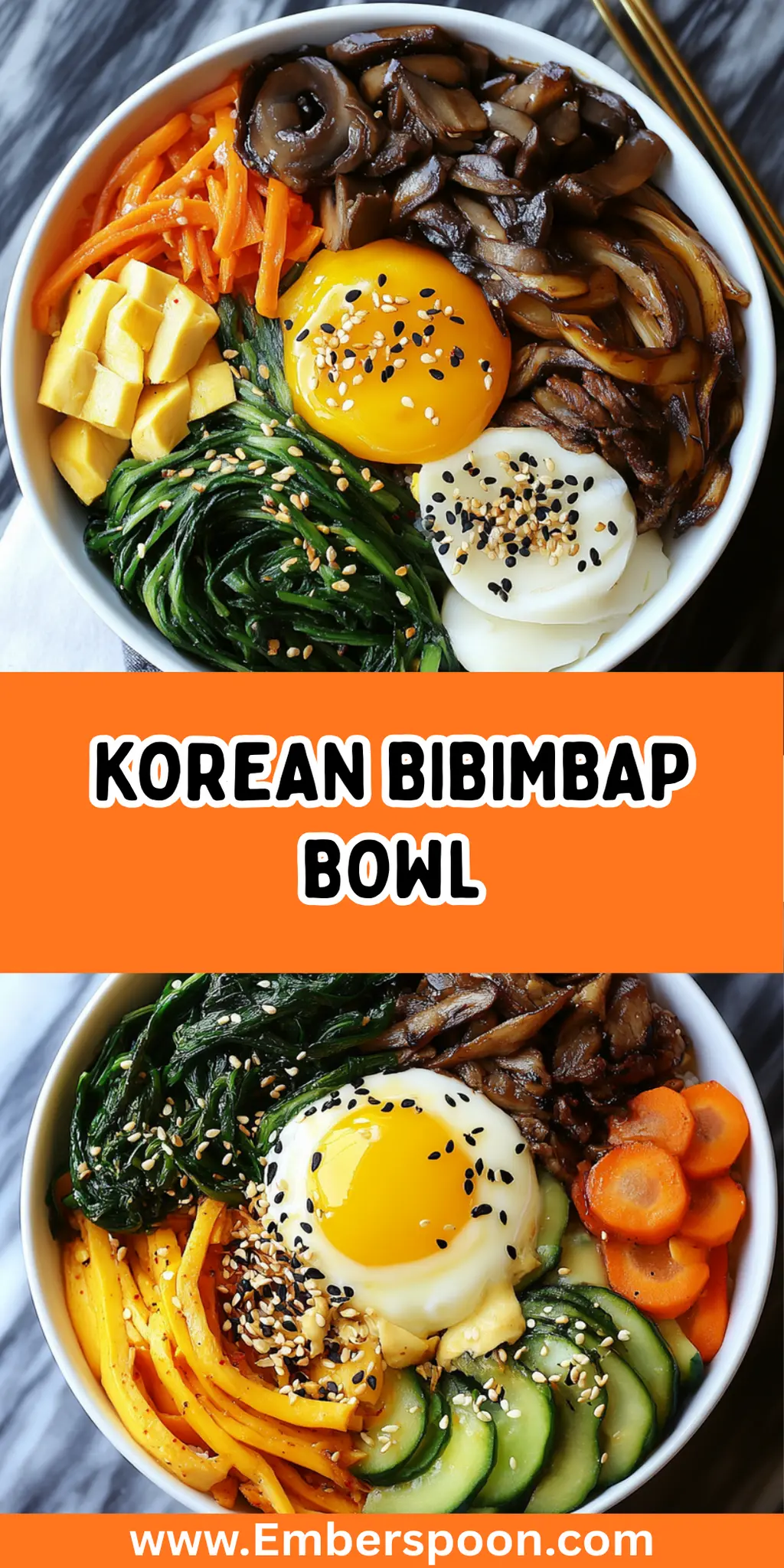
The vibrant colors of a Korean Bibimbap Bowl bring the essence of a bustling Korean market right into my kitchen. Picture this: a warm bed of perfectly cooked rice topped with an array of sautéed vegetables, tender beef or tofu, and a sunny-side-up egg that beckons for a sprinkle of sesame seeds. Each bite is a delightful harmony of textures and flavors, from the crunch of fresh veggies to the bold richness of gochujang sauce.
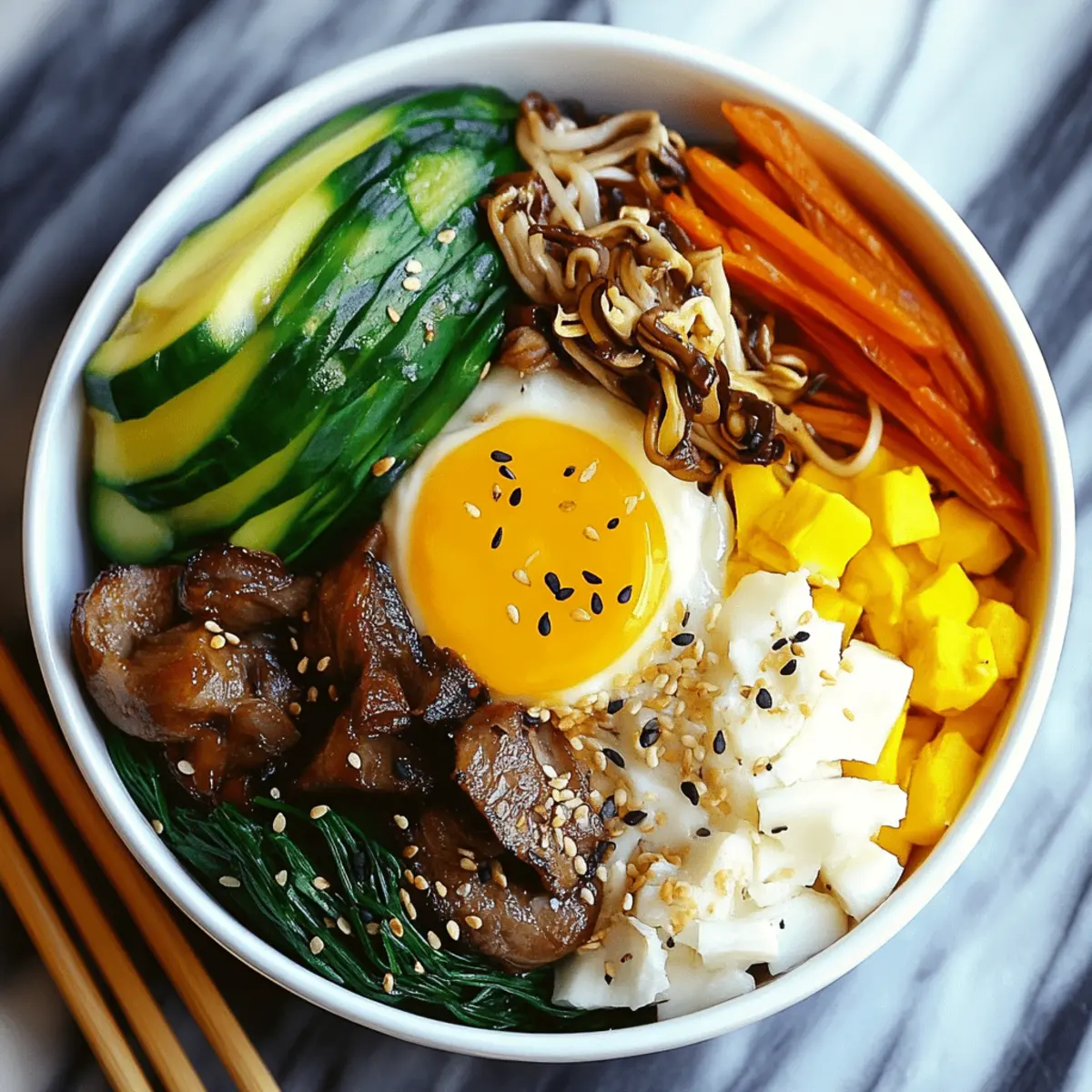
I discovered how easy it is to whip up this crowd-pleasing dish one chilly evening when the takeout menus just didn’t seem appealing. With a handful of ingredients and less than an hour, I found myself enjoying a wholesome meal that not only delighted my taste buds but also satisfied my craving for something comforting and homemade.
This recipe invites you to get creative—mix and match your favorite vegetables, or keep it vegetarian for a lighter spin. So, let’s dive in and create your own colorful masterpiece that’s sure to earn a place in your weekly rotation!
Why You'll Love This Korean Bibimbap Bowl
- This Korean Bibimbap Bowl is incredibly easy to prepare, making it perfect for weeknight dinners.
- You’ll love the explosion of flavors from the fresh vegetables and the spicy gochujang sauce that brings everything together.
- Its versatility allows you to customize the ingredients based on your preferences or what you have on hand, ensuring it’s always a hit.
- Plus, the vibrant colors and presentation make this dish visually stunning, sure to impress family and friends at your table.
Korean Bibimbap Bowl Ingredients
Imagine all the fresh, vibrant components that will come together in your Korean Bibimbap Bowl!
For the Rice Base
• 2 cups cooked rice – This serves as the hearty foundation for your bibimbap.
For the Vegetables
• 1 cup spinach (blanched) – Adds a nutritious green element that complements the dish.
• 1 cup carrots (julienned) – Provides sweetness and a lovely crunch; feel free to substitute with other crunchy veggies.
• 1 cup zucchini (julienned) – Its mild flavor pairs beautifully with the other ingredients.
• 1 cup mushrooms (shiitake or button, sliced) – Brings umami richness; experiment with any favorite mushroom.
• 1 cup bean sprouts (blanched) – Adds a fresh, crisp texture that’s essential in traditional bibimbap.
For the Protein
• 1 cup sliced beef (or tofu for a vegetarian option) – Choose beef for a meaty touch or tofu for a lighter, veggie delight.
For the Eggs
• 4 eggs – Fry these sunny-side-up to add richness and flavor to the bowl.
For Cooking
• 2 tablespoons vegetable oil – Used for sautéing the vegetables to perfection.
For Drizzling
• Sesame oil – A flavorful drizzle enhances the overall taste.
• Sesame seeds – Sprinkle these on top for a delightful crunch and aesthetic appeal.
For the Sauce
• 3 tablespoons gochujang – This spicy paste is key to that authentic bibimbap flavor.
• 1 tablespoon sesame oil – Adds depth to the sauce’s flavor.
• 1 tablespoon sugar – Balances the spiciness of gochujang.
• 1 tablespoon rice vinegar – Provides a tangy kick to the sauce.
• 1 teaspoon minced garlic – Infuses the sauce with aromatic goodness.
• 1 teaspoon soy sauce – Complements the flavors and enhances the overall taste.
Gather these ingredients to experience the vibrant flavors of a Korean Bibimbap Bowl that you and your loved ones will cherish!
How to Make Korean Bibimbap Bowl
-
Whisk the Sauce: In a small bowl, whisk together the gochujang, sesame oil, sugar, rice vinegar, minced garlic, and soy sauce until smooth. This spicy-sweet concoction adds that signature bibimbap flavor. Set aside.
-
Sauté the Vegetables: In a skillet, heat 1 tablespoon of vegetable oil over medium heat. Sauté the carrots and zucchini for about 3–4 minutes until they become tender and vibrant. Season with salt and pepper, then remove from the skillet and set aside.
-
Cook the Mushrooms: In the same skillet, add another tablespoon of oil and sauté the sliced mushrooms until golden brown, about 3–4 minutes. Season lightly with salt and pepper for a delightful umami flavor.
-
Prepare the Protein: If you’re using beef, cook the sliced beef in the skillet until it’s browned and cooked through, about 4–5 minutes. For a vegetarian option, sauté the tofu until it’s golden on all sides and heated through.
-
Fry the Eggs: In a separate pan, fry the eggs sunny-side up or to your desired doneness. The yolks can add a rich creaminess to your bibimbap.
-
Assemble the Rice Base: In a large bowl or individual serving bowls, place a generous scoop of the cooked rice at the bottom. It’s all about that comforting base!
-
Layer the Vegetables and Protein: Arrange the sautéed vegetables, including the spinach, carrots, zucchini, mushrooms, and bean sprouts, on top of the rice. Then, add the cooked beef or tofu for that nutrient-packed boost.
-
Top with Fried Egg: Gently place a fried egg on top of the colorful vegetable layer. This makes for a beautiful centerpiece!
-
Drizzle the Sauce: Generously drizzle the gochujang sauce over the top of your bibimbap, followed by a sprinkle of sesame seeds and a drizzle of sesame oil.
-
Serve and Enjoy: Serve immediately, inviting everyone to mix their bibimbap together for an explosion of flavors in every bite!
Optional: For an extra touch, top with sliced green onions or a sprinkle of chili flakes for heat.
Exact quantities are listed in the recipe card below.
How to Store and Freeze Korean Bibimbap Bowl
Fridge: Store leftover Korean Bibimbap Bowls in an airtight container in the fridge for up to 3 days. Keep the sauce separate if possible to maintain texture.
Freezer: You can freeze the cooked rice and sautéed vegetables separately for up to 3 months, but avoid freezing fried eggs. Reheat thoroughly before serving.
Reheating: To reheat, microwave individual portions for 1-2 minutes or warm on the stovetop until heated through. Add a drizzle of sesame oil for extra flavor!
Room Temperature: Avoid leaving the bibimbap out at room temperature for more than 2 hours to ensure food safety and avoid spoilage.
Make Ahead Options
These Korean Bibimbap Bowls are perfect for meal prep, making busy weeknights a breeze! You can cook the rice, sauté the vegetables, and prepare the gochujang sauce up to 3 days in advance. Simply refrigerate each component separately in airtight containers to maintain their freshness. When you’re ready to serve, reheat the rice and vegetables in a skillet or microwave until warmed through, then top with a freshly fried egg for that just-cooked touch. The flavors will meld together beautifully, providing you with a quick and delicious meal that feels just as vibrant as if you made it all on the same day!
Korean Bibimbap Bowl Variations
Feel free to elevate your Korean Bibimbap Bowl with these exciting twists that will ignite your culinary creativity.
-
Vegetarian Delight: Swap the beef for marinated tempeh for an extra hearty and protein-packed option that’s just as satisfying.
-
Spicy Kick: Add sliced jalapeños or a dollop of sriracha to the top for an added layer of heat and excitement in every bite.
-
Nutty Flavor: Toss in chopped peanuts or cashews for a crunchy texture and a delightful nutty enhancement to your bibimbap.
-
Fried Tofu: For a twist on protein, use crispy fried tofu instead of sautéed toasty goodness; the crunch contrasts beautifully with the other vegetables.
-
Roasted Vegetables: Roast the vegetables instead of sautéing for a caramelized sweetness; consider using bell peppers and sweet potatoes for more variety.
-
Sweet and Savory: Drizzle a hint of honey or maple syrup over the dish before serving for a surprising sweet note that perfectly balances the flavors.
-
Kimchi Add-In: Incorporate fermented kimchi into your bibimbap for a tangy kick that’s packed with probiotics and bold flavor, taking it to another level.
-
Herbal Freshness: Add freshly chopped herbs like cilantro or green onions as a vibrant finishing touch, bringing a fresh aroma that enhances every mouthful.
What to Serve with Korean Bibimbap Bowl?
Elevate your Korean culinary experience with these delightful sides and pairings that complement the vibrant flavors of bibimbap.
-
Korean Kimchi: This tangy, fermented side dish adds a spicy kick that balances the richness of the bibimbap, enhancing the whole meal.
-
Sesame Broccoli: Lightly steamed and tossed with sesame oil, this crunchy side brings a nutty flavor that pairs beautifully with the dish.
-
Cucumber Salad: Refreshing and crisp, the coolness of this salad provides a perfect contrast to the warm, savory elements of the bibimbap.
-
Spicy Tofu Steaks: Marinated and grilled, these add a satisfying protein boost that complements the flavors while subtly enhancing the dish’s depth.
-
Sweet Potato Fries: These crispy, sweet treats offer a delightful contrast in texture and flavor, which pairs excellently with the savory bibimbap.
-
Miso Soup: A warm, umami-rich soup adds a comforting element to the meal, balancing the bold flavors of your bibimbap bowl perfectly.
-
Green Tea: A light, aromatic beverage to cleanse the palate after every mouthful, adding an extra layer of calm to your dining experience.
-
Mochi Ice Cream: This sweet, chewy dessert closes your meal with a satisfying finish, balancing the spiciness with a touch of sweetness.
Chef's Helpful Tips
- When preparing your Korean Bibimbap Bowl, be sure to blanch the spinach and bean sprouts to retain their vibrant colors and nutrients.
- Avoid overcrowding the skillet while sautéing the vegetables, as this can lead to steaming instead of achieving that perfect sear.
- For a flavor boost, consider marinating your beef or tofu in a bit of soy sauce and sesame oil before cooking.
- Finally, ensure your fried eggs are cooked over medium heat for a runny yolk that enhances the flavors of the dish without becoming overcooked.
Korean Bibimbap Bowl Recipe FAQs
How do I select the best vegetables for my bibimbap?
Absolutely! When selecting vegetables for your Korean Bibimbap Bowl, opt for vibrant and fresh produce. Look for firm carrots and zucchini without any blemishes, and choose spinach that is rich green and not wilted. For mushrooms, pick ones that are plump and unblemished. Fresh ingredients not only enhance the taste but also make your dish visually appealing!
How long can I store leftover bibimbap in the fridge?
Very! Leftover Korean Bibimbap Bowls can be kept in an airtight container in the fridge for up to 3 days. If possible, store the sauce separately to prevent the vegetables from becoming mushy. When it’s time to enjoy your leftovers, just give them a quick reheat—perfect for a fast, homemade meal!
Can I freeze the components of my bibimbap?
Yes, you can! You can freeze the cooked rice and sautéed vegetables separately for up to 3 months. However, avoid freezing fried eggs, as they don’t thaw well. When ready to enjoy, simply thaw them overnight in the fridge, then reheat in the microwave or on the stovetop, adding a drizzle of sesame oil to elevate the flavors!
What are some common issues when making bibimbap, and how can I avoid them?
One common issue is overcooking your vegetables, which can make them mushy instead of retaining that lovely crunch. To avoid this, sauté them quickly over medium-high heat for just 3–4 minutes. Additionally, be mindful not to overcrowd the skillet when cooking; working in batches can help maintain the ideal texture by ensuring they fry instead of steam. Lastly, if your sauce becomes too thick, whisk in a bit of water or additional rice vinegar to reach the desired consistency.
Are there any dietary considerations I should keep in mind for this recipe?
Absolutely! For those with allergies, be cautious of the ingredients: soy sauce contains wheat, and gochujang can include gluten. You can find gluten-free alternatives for both ingredients. If you’re cooking for vegetarians or vegans, substituting tofu for beef and choosing plant-based versions of the sauces will create a delicious and inclusive meal. Always double-check labels to ensure all ingredients meet dietary needs!
Korean Bibimbap Bowl
Ingredients
- 2 cups cooked rice This serves as the hearty foundation for your bibimbap.
- 1 cup spinach (blanched) Adds a nutritious green element.
- 1 cup carrots (julienned) Provides sweetness and crunch.
- 1 cup zucchini (julienned) Its mild flavor complements the dish.
- 1 cup mushrooms (shiitake or button, sliced) Brings umami richness.
- 1 cup bean sprouts (blanched) Adds a fresh texture.
- 1 cup sliced beef (or tofu for a vegetarian option) Choose beef for a meaty touch or tofu for a vegetarian delight.
- 4 eggs Fry these sunny-side-up for richness.
- 2 tablespoons vegetable oil Used for sautéing the vegetables.
- sesame oil A flavorful drizzle enhances taste.
- sesame seeds Sprinkle for crunch.
- 3 tablespoons gochujang This spicy paste is key.
- 1 tablespoon sesame oil Adds depth to the sauce.
- 1 tablespoon sugar Balances the spiciness.
- 1 tablespoon rice vinegar Provides a tangy kick.
- 1 teaspoon minced garlic Infuses aromatic goodness.
- 1 teaspoon soy sauce Enhances the overall taste.
Method
- In a small bowl, whisk together the gochujang, sesame oil, sugar, rice vinegar, minced garlic, and soy sauce until smooth. Set aside.
- In a skillet, heat 1 tablespoon of vegetable oil over medium heat. Sauté the carrots and zucchini for about 3–4 minutes until tender. Season with salt and pepper, then remove and set aside.
- In the same skillet, add another tablespoon of oil and sauté the sliced mushrooms until golden brown, about 3–4 minutes. Season lightly with salt and pepper.
- Cook the sliced beef in the skillet until browned and cooked through, about 4–5 minutes. For tofu, sauté until golden on all sides.
- In a separate pan, fry the eggs sunny-side up or to your desired doneness.
- In individual serving bowls, place a generous scoop of the cooked rice at the bottom.
- Arrange the sautéed vegetables and cooked beef or tofu on top of the rice.
- Gently place a fried egg on top of the vegetable layer.
- Drizzle the gochujang sauce over the top, followed by a sprinkle of sesame seeds and a drizzle of sesame oil.
- Serve immediately, inviting everyone to mix their bibimbap together for an explosion of flavors.


Leave a Comment