
There’s a certain thrill that comes with transforming a simple cut of meat into something spectacular, and my journey to perfect the Reverse Sear Ribeye is a testament to that. Picture this: a thick, juicy ribeye steak, beautifully seasoned with coarse salt and black pepper, resting in the warm embrace of a low oven before being kissed by a blazing-hot skillet. This two-step method might seem fancy, but it’s surprisingly simple and guarantees a mouthwatering outcome that will impress anyone at your dinner table.

After a hectic week filled with fast food and take-out, I craved that satisfying bite of a restaurant-quality steak without the hassle of dining out. The beauty of the Reverse Sear method lies not just in its ease but also in its ability to deliver a perfectly cooked steak with a gorgeous crust, yet tender and juicy inside. Grab your favorite cast-iron skillet and let’s dive into this culinary adventure that’s bound to elevate your home cooking game!
Why You'll Love This Reverse Sear Ribeye
- This Reverse Sear Ribeye is incredibly easy to make, allowing even novice cooks to achieve restaurant-quality results at home.
- The two-step cooking method guarantees a perfectly cooked steak with a deliciously seared crust, ensuring every bite is bursting with flavor.
- Its versatility makes it suitable for any occasion, from a cozy family dinner to an impressive gathering of friends.
- Visually, this dish is a feast for the eyes, with a stunning caramelized exterior and juicy pink interior that will have everyone coming back for seconds.
Reverse Sear Ribeye Ingredients
For the Steak
- Ribeye Steak – A thick cut (1.5-2 inches) ensures even cooking and juiciness.
- Coarse Salt – Enhances the natural flavors of the meat for a simple yet powerful seasoning.
- Black Pepper – Freshly cracked pepper adds a delightful kick and depth to the flavor.
For Searing
- High Smoke-Point Oil – Canola or avocado oil works best to withstand high temperatures without burning.
- Optional: Butter – Adds richness and flavor while basting the steak during the final sear.
- Optional: Garlic Cloves – Infuses the oil with aromatic goodness, elevating the overall taste.
- Optional: Fresh Herbs – Rosemary or thyme brings an earthy, fragrant touch to your Reverse Sear Ribeye.
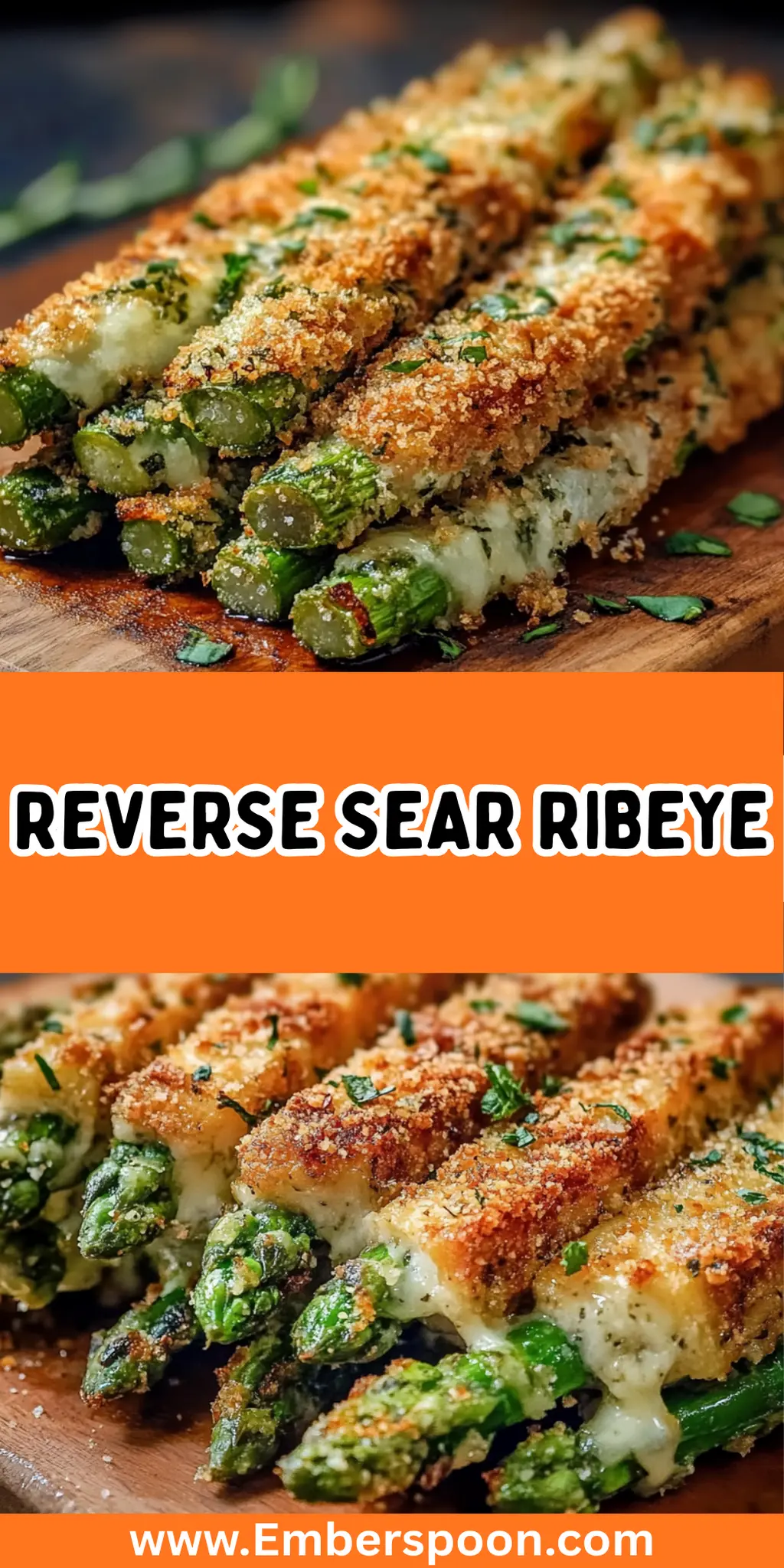
How to Make Reverse Sear Ribeye
-
Preheat your oven to a low temperature, around 225°F (107°C). This gentle heat is essential for slowly cooking your ribeye to perfection.
-
Pat dry the thick-cut ribeye steak completely with paper towels. This helps to ensure a nice sear later, preventing unwanted moisture from inhibiting that crispy crust.
-
Season generously on all sides with coarse salt and black pepper. This flavorful rub not only enhances the taste but also forms a delicious crust during searing.
-
Place the seasoned steak on a wire rack set inside a baking sheet. This setup allows for optimal heat circulation, ensuring an even cook throughout the thick steak.
-
Bake until the steak reaches about 10-15°F below your target final temperature. For medium-rare, this is typically around 110-115°F (43-46°C). Monitor closely to achieve that perfect doneness!
-
Rest the steak for 5-10 minutes once out of the oven. This step allows the juices to redistribute, ensuring your steak remains succulent and tender.
-
Heat a cast-iron skillet over high heat with a high smoke-point oil until it just begins to smoke. This intense heat is crucial for creating that deep, glorious crust we all crave.
-
Sear the steak carefully for 60-90 seconds per side, until a deep brown crust forms. This caramelization enhances the flavor and gives your ribeye perfect texture.
-
Add butter, garlic, and herbs to the pan during the last 30 seconds of searing for added flavor and richness. Baste the steak to elevate its taste even more!
-
Remove the steak from the pan and let it rest for another 5-10 minutes before slicing against the grain. This final resting period is key to maximizing flavor and tenderness.
Optional: For a delightful garnish, sprinkle with a touch of extra coarse salt before serving.
Exact quantities are listed in the recipe card below.
What to Serve with Reverse Sear Ribeye?
Imagine a table bursting with flavors, where every bite of your perfectly cooked steak is harmonized with delightful sides and drinks.
-
Creamy Mashed Potatoes: The buttery richness complements the juicy ribeye beautifully, making every mouthful a comforting delight.
-
Garlic Roasted Asparagus: Crisp-tender asparagus with a hint of garlic adds a vibrant freshness, balancing the richness of the steak.
-
Roasted Brussels Sprouts: Their caramelized edges and nutty flavor provide a wonderful contrast to the savory meat.
-
Homemade Garlic Bread: Toasted to perfection, this crispy yet soft bread is perfect for soaking up those delicious meaty juices.
-
Classic Caesar Salad: Crisp romaine with a tangy dressing offers a refreshing crunch that cuts through the steak’s richness.
-
Red Wine: A full-bodied Cabernet Sauvignon enhances the flavors of the ribeye while elevating your dining experience.
Paired together, these accompaniments create a stunning meal that turns your Reverse Sear Ribeye into an unforgettable dining experience.
How to Store and Freeze Reverse Sear Ribeye
Fridge: Store leftover ribeye wrapped in aluminum foil or airtight containers for up to 3 days. This keeps the meat moist while preventing any unwanted odors.
Freezer: For longer storage, freeze the ribeye in a resealable freezer bag with as much air removed as possible. It can be frozen for up to 3 months without loss of flavor or texture.
Reheating: To enjoy your reverse sear ribeye again, thaw it overnight in the fridge and reheat gently in a skillet over low heat until warmed through, ensuring it remains juicy and tender.
Make Ahead Options
These Reverse Sear Ribeye steaks are a fantastic meal prep solution for those busy weeknights! You can season the ribeye with coarse salt and black pepper up to 24 hours in advance, allowing the flavors to deeply penetrate the meat. Just pat the steak dry and wrap it tightly in plastic wrap before refrigerating. When you’re ready to cook, simply follow the baking instructions in the recipe to ensure even cooking, and don’t forget to allow for the resting periods to maintain that juicy tenderness. The result? A restaurant-quality steak with minimal time and effort on your part, ready to deliver an unforgettable meal!
Reverse Sear Ribeye Variations
Feel free to get creative with your Reverse Sear Ribeye, as there are endless ways to tailor it to your taste preferences!
- Seasoning Swap: Mix up your spices by using Montreal steak seasoning for an extra kick and rich flavor that complements the meat beautifully.
- Herb Infusion: Experiment with different fresh herbs such as oregano or cilantro for a unique twist; they can transform your classic ribeye into a delightful surprise.
- Citrus Zest: Add a sprinkle of lemon or orange zest before serving to brighten the flavors and add a refreshing, tangy touch that contrasts beautifully with the rich beef.
- Smoky Flavor: For a deeper, smoky profile, try using smoked salt or adding a dash of liquid smoke to the steak rub; it brings a barbecue essence right to your kitchen.
- Heat it Up: Incorporate crushed red pepper flakes or a splash of hot sauce into your basting butter for an exciting kick that will thrill spice lovers.
- Steak Sauce: Serve with a homemade chimichurri or a tangy balsamic reduction for a burst of flavor and elegance that complements the juicy ribeye.
- Stuffed Twist: Create a stuffed ribeye by inserting garlic cloves, blue cheese, or sautéed mushrooms for a deliciously decadent interpretation that adds layers of flavor.
- Alternative Cooking Method: Consider grilling your ribeye instead of oven-baking it if you want that charred flavor; just ensure to use indirect heat to keep it juicy before searing!
Chef's Helpful Tips
- For the best results when making Reverse Sear Ribeye, always ensure your steak is patted completely dry before seasoning; this step helps achieve a perfect sear.
- A common mistake is not allowing the steak to rest after cooking, so be sure to let it rest first out of the oven and then again after searing to lock in the juices.
- When searing, use a cast-iron skillet as it retains heat exceptionally well, creating a beautiful crust on the ribeye.
- Keep a close eye on the skillet’s temperature to ensure the oil is hot enough before adding the steak, as this is crucial for that coveted deep brown color.
Reverse Sear Ribeye Recipe FAQs
What type of ribeye steak should I use?
I recommend using a thick-cut ribeye steak, around 1.5-2 inches. This thickness ensures that the steak cooks evenly, remaining juicy while developing that gorgeous crust during the sear. Look for steaks with good marbling; the fat will render during cooking, adding flavor and moisture.
How should I store leftover ribeye steak?
Store leftover ribeye tightly wrapped in aluminum foil or in airtight containers in the refrigerator. It will stay fresh for up to 3 days. To maintain moisture and prevent any off-odors, make sure to cover it well, and enjoy those juicy leftovers as soon as possible!
Can I freeze leftover ribeye steak?
Definitely! To freeze your ribeye, place it in a resealable freezer bag, removing as much air as possible. This helps prevent freezer burn and keeps it fresh for up to 3 months. For best results, label the bag with the date, so you remember when you froze it!
What should I do if my steak doesn’t develop a nice crust?
If your steak isn’t developing a crust during the searing process, it could be due to excess moisture or not enough heat. Make sure you’ve patted your steak dry thoroughly before seasoning and ensure your cast-iron skillet is preheated appropriately. When the oil begins to shimmer, it’s a sign that it’s hot enough for that perfect sear! Remember, a well-heated skillet is essential for that crispy exterior.
Is this recipe suitable for people with allergies?
Absolutely! The ingredients in the Reverse Sear Ribeye can be adjusted to accommodate certain dietary restrictions. If you’re concerned about allergies, you can skip the garlic or herbs if needed. Just keep in mind that seasoning is essential for flavor, so seek alternatives that suit your dietary needs. Always be sure to check if any packaged items (like certain oils or butter) have potential allergens that could affect your guests.
How can I tell if my ribeye is cooked to the right doneness?
To ensure that your ribeye is cooked to the desired doneness, using a meat thermometer is the most accurate method. For medium-rare, you’re looking for an internal temperature of about 130-135°F (54-57°C). If you don’t have a thermometer, you can use the finger test for doneness, but I often find a probe to be the most reliable way to captivate your steak’s true potential!
Reverse Sear Ribeye
Ingredients
- 1 steak Ribeye Steak A thick cut (1.5-2 inches)
- 1 teaspoon Coarse Salt For seasoning
- 1 teaspoon Black Pepper Freshly cracked for flavor
- 2 tablespoons High Smoke-Point Oil Canola or avocado oil
- 1 tablespoon Butter Optional for richness
- 2 cloves Garlic Cloves Optional for flavor
- 1 sprig Fresh Herbs Optional: Rosemary or thyme
Method
- Preheat your oven to a low temperature, around 225°F (107°C).
- Pat dry the thick-cut ribeye steak completely with paper towels.
- Season generously on all sides with coarse salt and black pepper.
- Place the seasoned steak on a wire rack set inside a baking sheet.
- Bake until the steak reaches about 10-15°F below your target final temperature.
- Rest the steak for 5-10 minutes once out of the oven.
- Heat a cast-iron skillet over high heat with the oil until it just begins to smoke.
- Sear the steak carefully for 60-90 seconds per side.
- Add butter, garlic, and herbs to the pan during the last 30 seconds of searing.
- Remove the steak from the pan and let it rest for another 5-10 minutes before slicing.


Leave a Comment