
There’s something undeniably comforting about the creamy, peppery kick of Cacio e Pepe. I first discovered this Italian classic on a chilly evening, craving something warm and satisfying. With just a few simple ingredients—spaghetti, Pecorino Romano, and freshly cracked black pepper—this dish transformed an ordinary night into a culinary celebration.
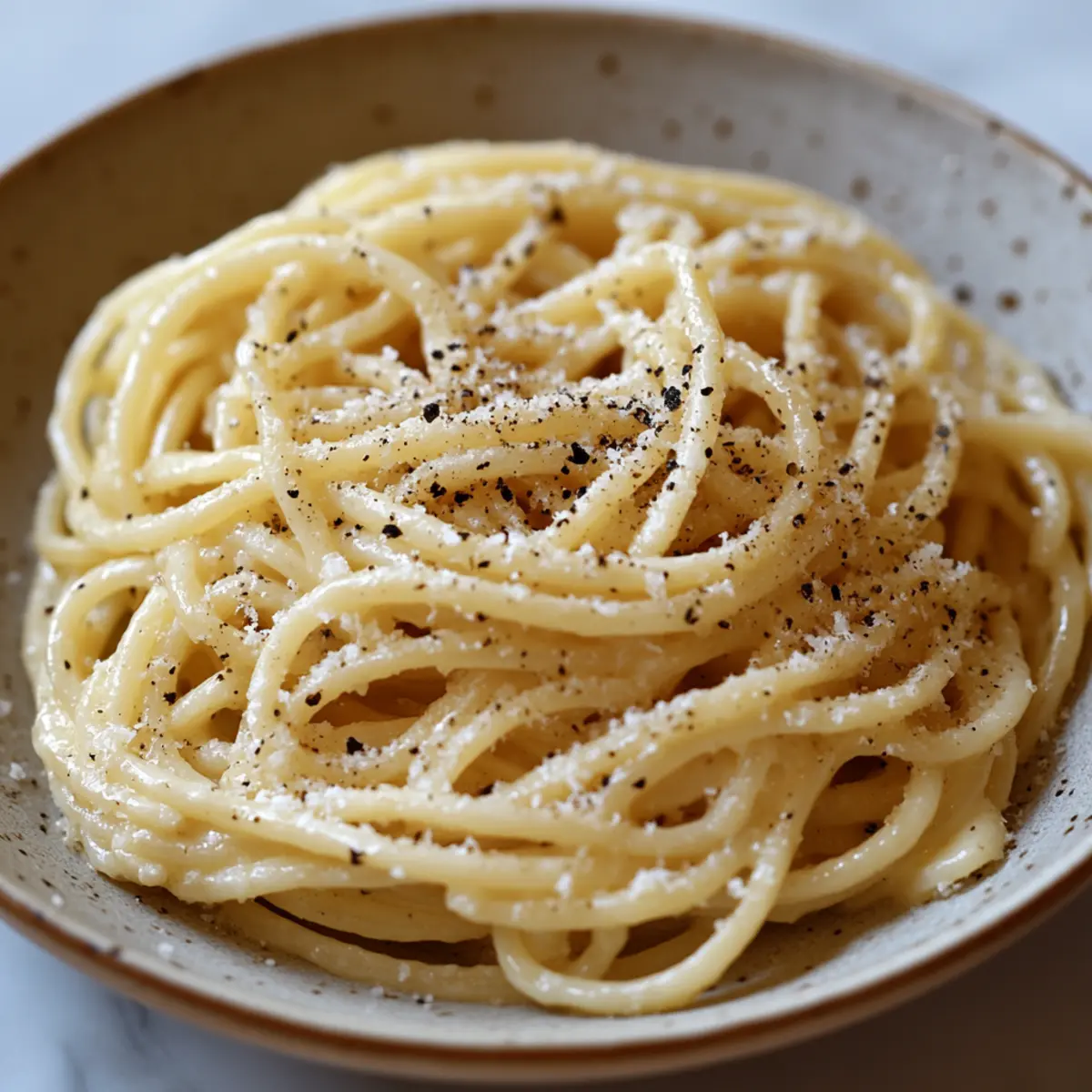
The magic lies in its effortless elegance; in mere minutes, you can whip up a meal that rivals any high-end restaurant. As the cheese melts into the pasta and the pepper dances across your palate, you’ll understand why this classic has stood the test of time. Whether you’re looking to impress guests or simply enjoy a cozy night in, Cacio e Pepe delivers unparalleled flavor without the hassle.
Join me as we dive into this delightful recipe that promises to bring a taste of Italy right to your kitchen, sure to be a hit with everyone at the table!
Why You'll Love This Cacio e Pepe
- Cacio e Pepe is a quick and easy dish that can be made in under 20 minutes, perfect for busy weeknights.
- The rich and creamy flavor of Pecorino Romano cheese combined with freshly cracked black pepper creates a delightful taste sensation that will leave your taste buds wanting more.
- This recipe is incredibly versatile, allowing you to enjoy it as a main course or as a side dish to elevate any meal.
- With its simple yet elegant presentation, Cacio e Pepe looks stunning on the plate, making it an impressive dish to serve at gatherings.
Cacio e Pepe Ingredients
• Get ready to whip up this classic dish with just a handful of ingredients!
For the Pasta
- 12 oz spaghetti (or tonnarelli) – Choose your favorite pasta for a delightful base in this Cacio e Pepe.
- Salt (for pasta water) – Enhances flavor; don’t forget to salt your water generously!
For the Sauce
- 1 cup finely grated Pecorino Romano cheese – Adds that iconic creaminess and depth of flavor.
- Freshly cracked black pepper (to taste) – It’s the star ingredient, so feel free to add more for a peppery kick!
- 2 tablespoons unsalted butter (optional) – Stir in for an extra layer of creaminess if desired.
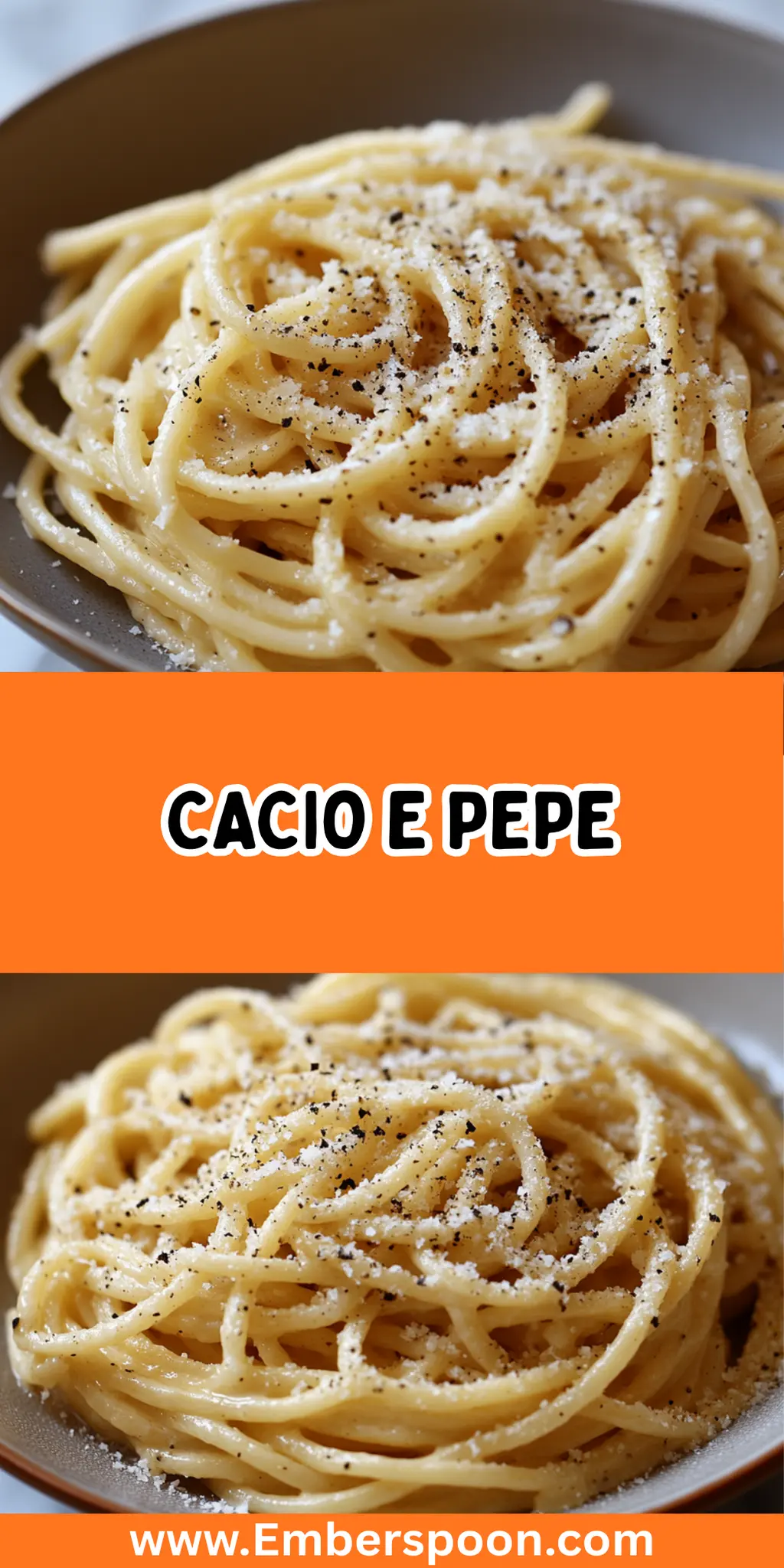
How to Make Cacio e Pepe
-
Boil Water: Start by bringing a large pot of salted water to a roaring boil. The water should taste like the sea—it makes all the difference in flavor!
-
Cook Pasta: Add the spaghetti (or tonnarelli) to the boiling water and cook according to package instructions until al dente, usually about 8-10 minutes. Remember to reserve about 1 cup of the pasta water before draining!
-
Grind Pepper: Coarsely grind a generous amount of black pepper (around 2 teaspoons is a good start) into a large skillet. The fresher, the better!
-
Toast Pepper: Place the skillet over medium heat and give the pepper a quick toast for about 1 minute, until it’s aromatic. This step will amplify the peppery flavor in your dish.
-
Combine Pasta and Pepper: Once your pasta is cooked and drained, add it directly into the skillet with the warm, toasted pepper. Let the flavors mingle!
-
Add Cheese: Remove the skillet from the heat and quickly sprinkle in the finely grated Pecorino Romano cheese. Toss the pasta vigorously, adding reserved pasta water gradually until a creamy sauce forms.
-
Adjust Consistency: If the sauce seems too thick, add more reserved pasta water until you reach your desired texture—silky and smooth is what you’re aiming for!
-
Stir in Butter: If you want to take it a step further, stir in the 2 tablespoons of unsalted butter for an extra creamy finish. It’s pure indulgence!
-
Serve: Plate the dish immediately, garnishing with additional Pecorino Romano cheese and an extra crack of black pepper. Enjoy your taste of Italy!
Optional: Top with fresh parsley for an added touch of color.
Exact quantities are listed in the recipe card below.
Cacio e Pepe Variations
Feel free to experiment and make this dish your own with these delightful twists!
-
Cheese Swap: Try using Parmesan cheese for a milder flavor instead of Pecorino Romano. It creates a slightly different but equally delicious profile.
-
Spicy Kick: Add a pinch of red pepper flakes along with the black pepper for a fun kick. Spice lovers will really appreciate this added warmth!
-
Herb Infusion: Toss in some fresh herbs, like parsley or basil, right before serving. The fresh taste brightens up the dish and adds a lovely aroma.
-
Creamy Texture: Replace the pasta water with heavy cream for an ultra-rich sauce. Just be careful with adjusting your cheese amount, as this will intensify the creaminess!
-
Vegetarian Upgrade: Swap in sautéed mushrooms for a hearty, umami boost. The mushrooms add depth and complement the peppery notes beautifully.
-
Lemon Zest: A touch of lemon zest just before serving can add a refreshing brightness that cuts through the creamy richness, lifting the entire dish.
-
Nutty Addition: Fold in some toasted pine nuts or walnuts for a delightful crunch. The nutty flavors will enhance the dish and provide extra texture.
-
Garlic Flavor: Incorporate a clove of minced garlic while toasting the pepper for a savory depth. It brings a warm aroma and elevates the overall flavor profile.
What to Serve with Cacio e Pepe?
There’s nothing quite like a creamy pasta dish to evoke feelings of warmth and indulgence, and pairing it right can elevate your meal even further.
-
Garlic Bread: Buttery and crisp, garlic bread offers a satisfying crunch that contrasts beautifully with the creamy pasta.
-
Roasted Broccoli: This dish’s earthy flavors beautifully complement the peppery notes of Cacio e Pepe, providing a nutritious boost and vibrant color.
-
Simple Arugula Salad: The peppery bite of arugula alongside a light vinaigrette refreshes the palate and enhances the rich pasta.
-
Grilled Shrimp: For seafood lovers, tender grilled shrimp adds a lovely protein element and an additional layer of flavor without overpowering the dish.
-
Pine Nut Pesto: Drizzling homemade pesto brings a fresh, herby touch that rounds out the meal, balancing the rich creaminess perfectly.
-
Chilled Chardonnay: A glass of crisp, chilled Chardonnay serves as a delightful companion, enhancing the tangy Pecorino Romano flavor while cleansing the palate.
Imagine a lovely evening, gathering with friends around the table, enjoying Cacio e Pepe paired with these vibrant sides and a crisp glass of wine. It’s the perfect recipe for joy!
Make Ahead Options
These Cacio e Pepe are perfect for busy weeknights and meal prep enthusiasts! You can cook the spaghetti up to 24 hours in advance and store it in an airtight container in the refrigerator. For best quality, toss the pasta with a little olive oil to prevent sticking. You can also prepare the cheese and pepper mix ahead of time—simply combine them in a bowl and refrigerate. When you’re ready to enjoy your meal, just reheat the pasta in a skillet, add the toasted pepper and cheese, and gradually incorporate some reserved pasta water until creamy. You’ll have a delicious, restaurant-quality dish in no time!
How to Store and Freeze Cacio e Pepe
Fridge: Store leftover Cacio e Pepe in an airtight container for up to 3 days. Reheat gently on the stovetop, adding a splash of reserved pasta water to bring back creaminess.
Freezer: Cacio e Pepe can be frozen for up to 1 month. Portion the pasta in freezer-safe containers, but be aware that the texture may change upon thawing.
Reheating: When you’re ready to enjoy, thaw overnight in the fridge, then reheat gently in a skillet, adding a bit of water or butter to revive the creamy sauce.
Tip: For best results, store the sauce and pasta separately if you anticipate leftovers!
Chef's Helpful Tips
- For the perfect Cacio e Pepe, ensure that your pasta is cooked until al dente for the ideal texture that will hold up when tossed with the cheese and pepper.
- A common mistake is not reserving enough pasta water; this starchy liquid is key to achieving a creamy sauce that binds everything together.
- When toasting the black pepper in the skillet, ensure you do not overheat it as burning can lead to a bitter taste.
- Finally, for a truly glossy sauce, add the grated cheese off the heat and stir continually to prevent clumping, adjusting the consistency with pasta water as needed.
Cacio e Pepe Recipe FAQs
What is the best type of pasta to use for Cacio e Pepe?
Absolutely, while spaghetti is the traditional choice, tonnarelli can add a delightful texture. You want a pasta that holds the sauce well, so aim for long, slightly thicker shapes.
How should I store leftover Cacio e Pepe?
To keep your dish fresh, store it in an airtight container in the fridge for up to 3 days. When you’re ready to reheat it, add a splash of reserved pasta water to restore the creamy texture!
Can I freeze Cacio e Pepe?
Yes, you can freeze your Cacio e Pepe for about 1 month. To do this, portion the pasta into freezer-safe containers. Just keep in mind that the creamy texture may change upon thawing. When you’re ready to eat, thaw it overnight in the fridge, then reheat gently in a skillet with a bit of water or butter to bring back that luscious creaminess.
What should I do if the sauce is too thick?
If you find the sauce isn’t as silky as you’d like, simply add more reserved pasta water, a tablespoon at a time, until you reach the desired consistency. Stir it in off the heat to keep the cheese from clumping. It’s all about achieving that creamy, smooth texture!
Is Cacio e Pepe safe for my pet?
While Cacio e Pepe is a delicious dish for us, it’s not suitable for pets given its high salt and cheese content. Always check with your vet before sharing any human food with your furry friends.
Are there any allergy considerations with this recipe?
Definitely! This recipe contains dairy and gluten, so it’s not suitable for those with lactose intolerance or gluten allergies. If you need to make a dairy-free version, consider substituting with a dairy-free cheese alternative and gluten-free pasta to satisfy everyone’s dietary needs.
Cacio e Pepe
Ingredients
- 12 oz spaghetti or tonnarelli
- Salt for pasta water
- 1 cup finely grated Pecorino Romano cheese
- Freshly cracked black pepper to taste
- 2 tablespoons unsalted butter optional
Method
- Start by bringing a large pot of salted water to a roaring boil.
- Add the spaghetti (or tonnarelli) to the boiling water and cook according to package instructions until al dente, around 8-10 minutes, reserving about 1 cup of the pasta water before draining.
- Coarsely grind a generous amount of black pepper into a large skillet.
- Place the skillet over medium heat and give the pepper a quick toast for about 1 minute.
- Once your pasta is cooked and drained, add it directly into the skillet with the warm, toasted pepper.
- Remove the skillet from the heat and quickly sprinkle in the finely grated Pecorino Romano cheese, tossing the pasta vigorously, adding reserved pasta water gradually until a creamy sauce forms.
- If the sauce is too thick, add more reserved pasta water to achieve a silky texture.
- Stir in the unsalted butter for an extra creamy finish (optional).
- Plate the dish immediately, garnishing with additional Pecorino Romano cheese and an extra crack of black pepper.


Leave a Comment